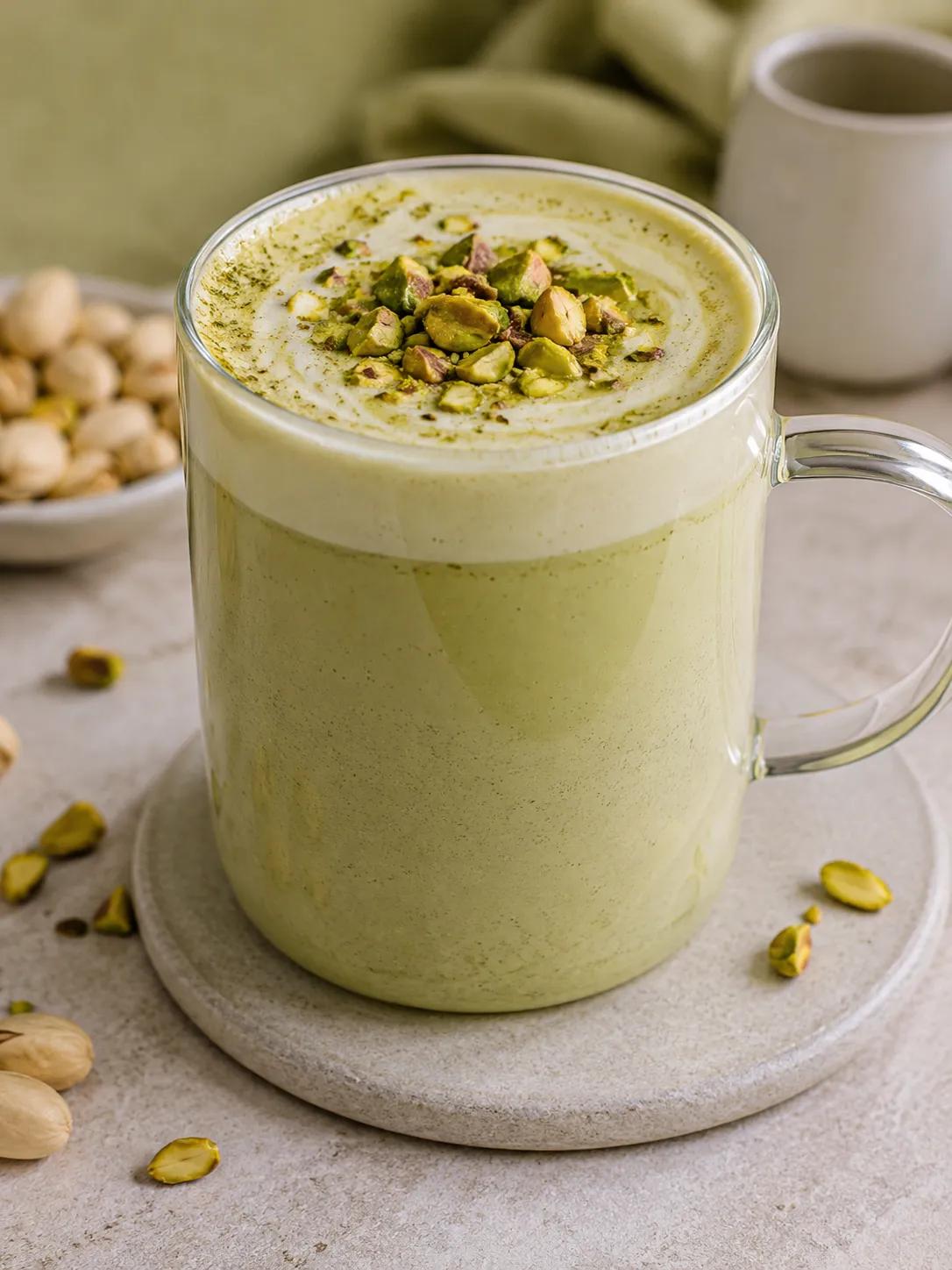

Starbucks Pistachio Latte Recipe
The Starbucks Pistachio Latte has become one of the most popular coffee drinks among pistachio lovers. Combining rich espresso, creamy milk, and the natural flavor of pistachios, this beverage delivers a smooth and nutty taste that is perfect for any time of the day.
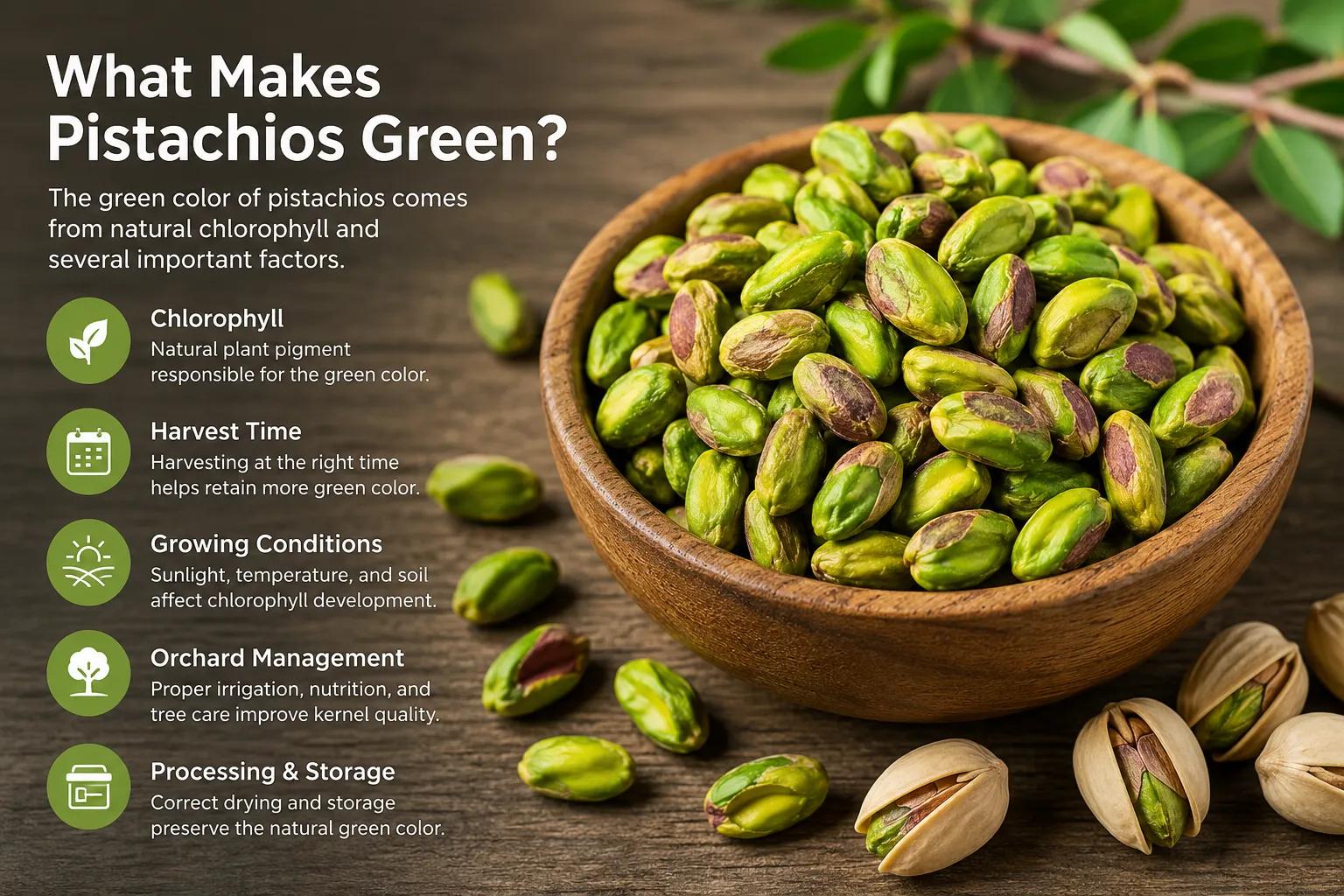
What Makes Pistachios Green? The Science Behind Green Pistachio Kernels
One of the most important quality indicators in pistachios is the color of the kernel. Buyers, processors, and importers often prefer pistachios with a vibrant green kernel because they are associated with premium quality and higher market value. But what exactly makes pistachios green, and why are some pistachios greener than others?
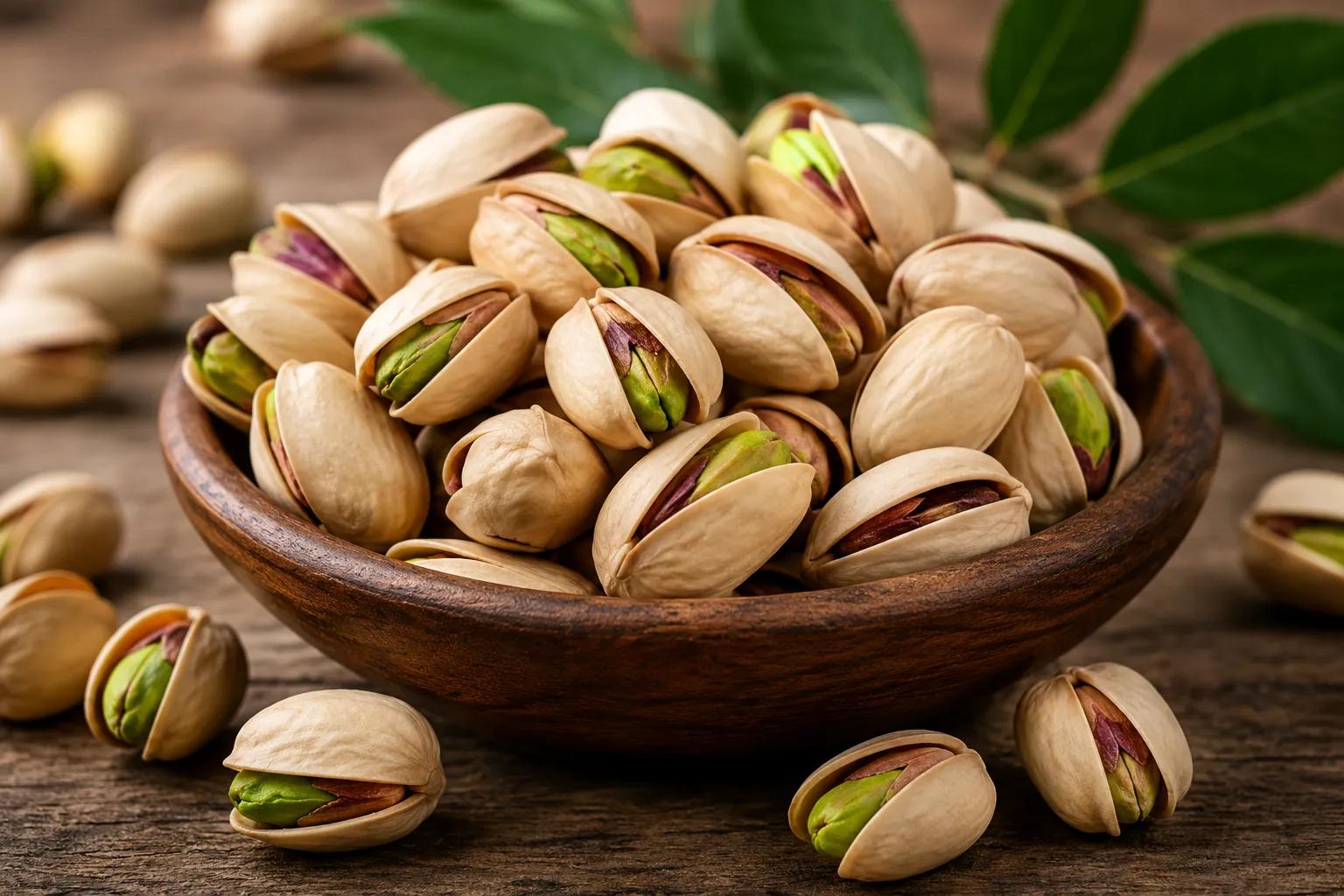
Banani Kalleh Ghouchi Pistachio | Wholesale Raw Iranian Pistachios
Kalleh Ghouchi Pistachio is one of the most recognized Iranian pistachio varieties, valued for its large size, round shape, and rich kernel. Due to its attractive appearance and premium quality, it is widely traded in domestic and international markets.
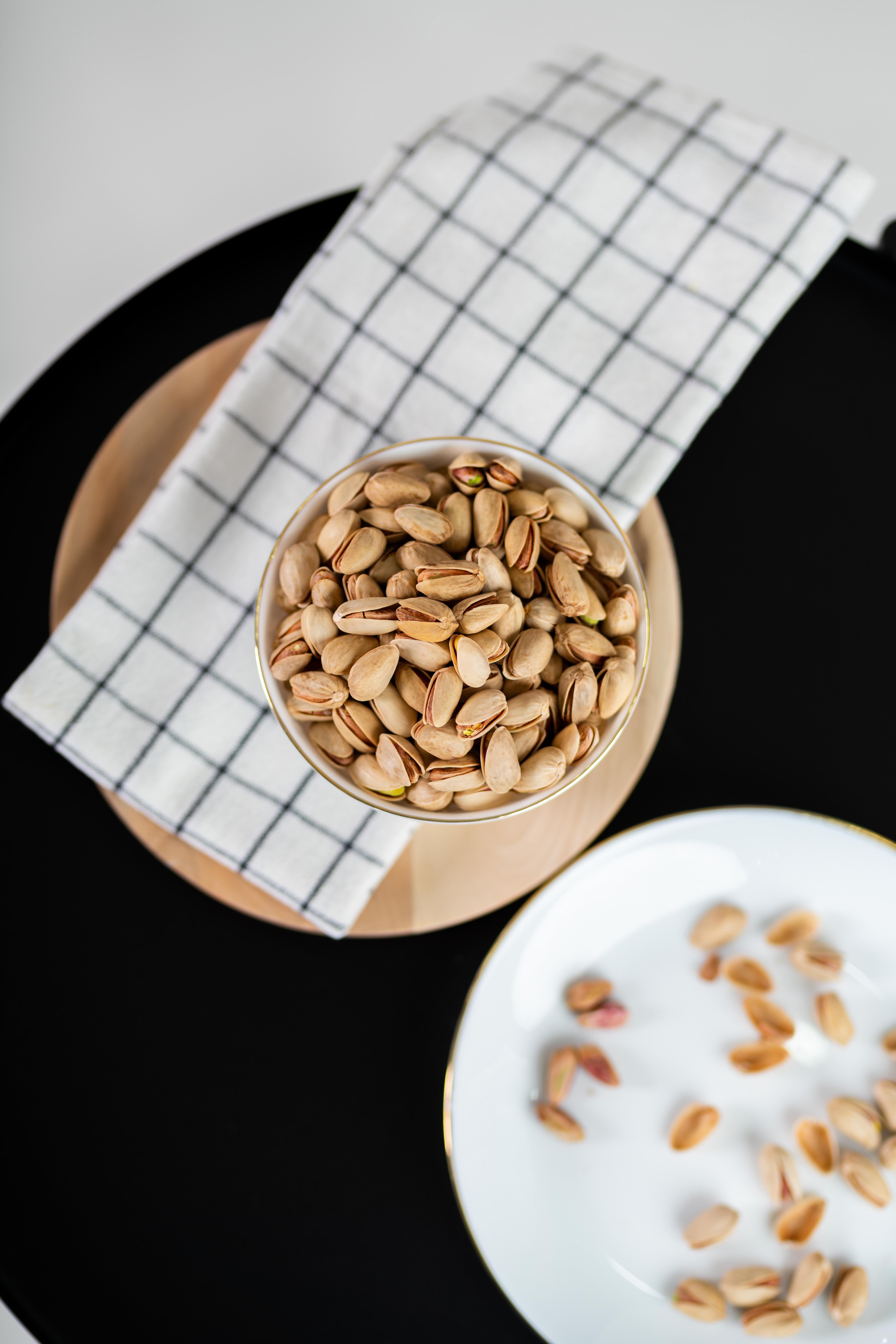
Premium Akbari Pistachio – Iran’s Most Luxurious Pistachio
Akbari pistachio is known for its long almond-shaped shell, large kernels, rich buttery flavor, and high split rate — making it one of the finest and most luxurious Iranian pistachios.
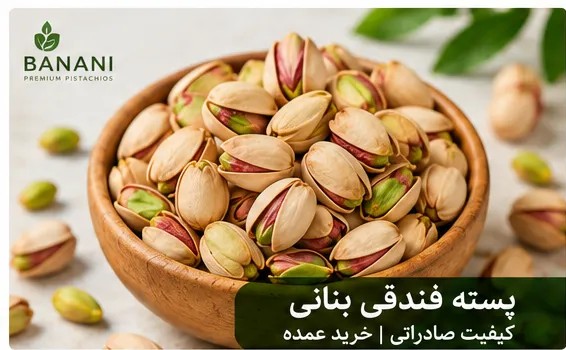
Banani Fandoghi Pistachio | Wholesale Raw Iranian Pistachios
Fandoghi Pistachio is one of the most widely cultivated and exported Iranian pistachio varieties. It is known for its uniform size, rich flavor, and versatility in the food industry. Thanks to its competitive price and consistent quality, Fandoghi Pistachios are a preferred choice for wholesalers, importers, food manufacturers, and export businesses.
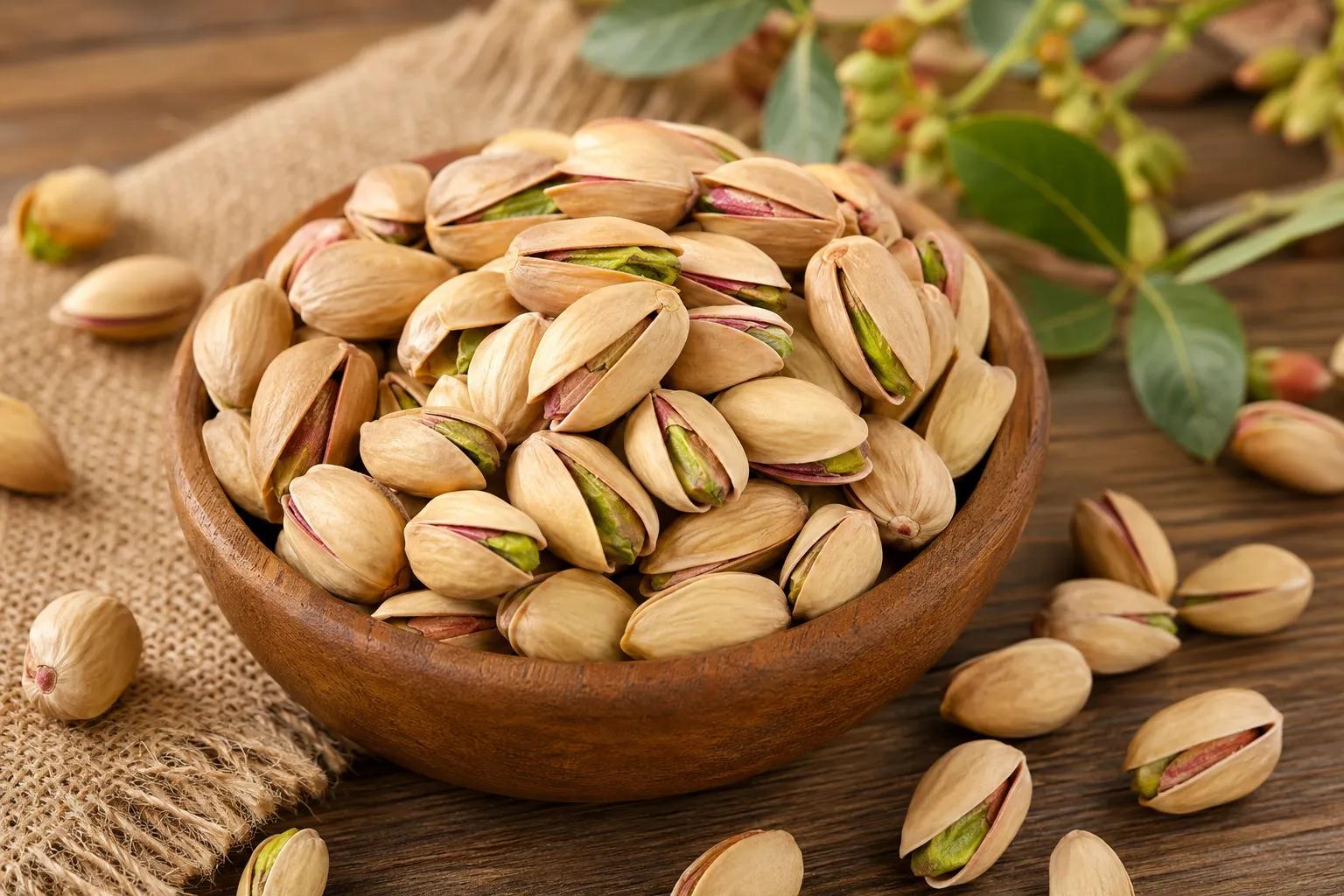
Badami Pistachio: A Complete Guide to Wholesale Buying, Quality and Export
Iran is known for producing several distinctive pistachio varieties, each with different shapes, sizes, market positions and commercial applications. Badami Pistachio is a well-known Iranian variety recognized for its
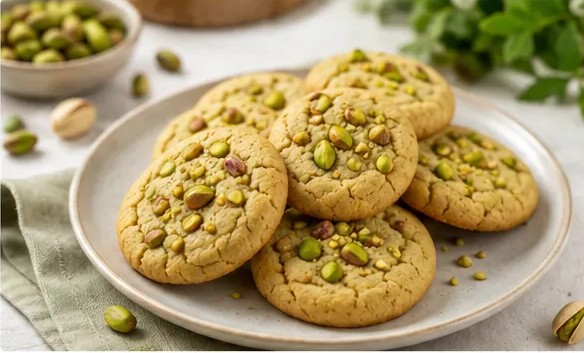
Pistachio Cookie Recipe | Homemade Pistachio Cookies
Pistachio cookies are among the most popular homemade desserts thanks to their rich flavor, soft texture, and attractive appearance. Made with premium pistachios, these cookies are perfect for family gatherings, coffee shops, and dessert lovers.
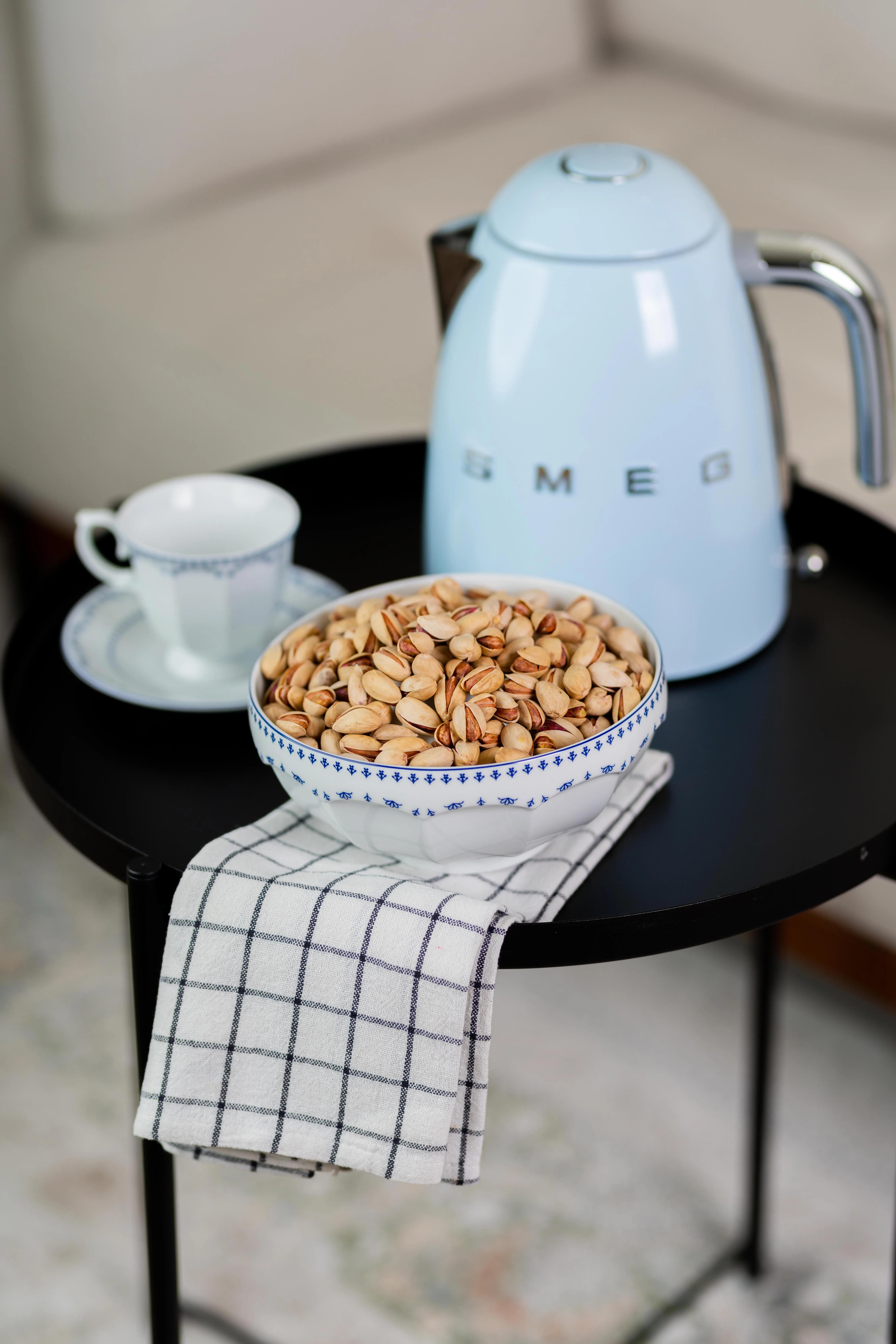
7 Benefits of Eating Pistachios for Breakfast and the Best Ways to Enjoy Them
Breakfast can be as simple as bread, cheese and tea, but adding nutrient-dense foods can make the meal more balanced. Pistachios are one option because they contain plant-based protein, dietary fiber, unsaturated fats and a range of naturally occurring nutrients.
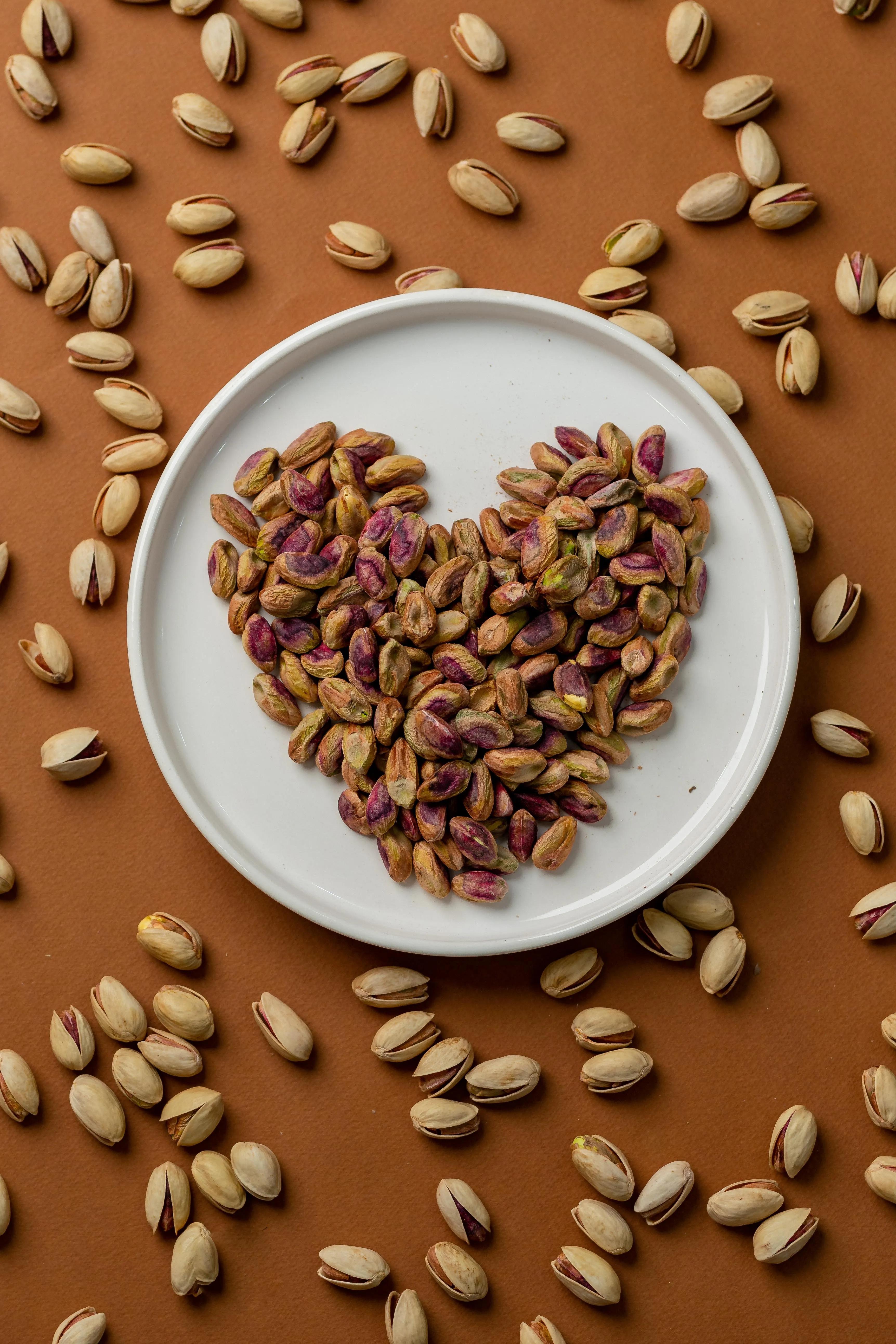
Why Are Pistachios a Staple of Nowruz Ajil? 6 Cultural Reasons
As Nowruz approaches, bowls of mixed nuts begin to appear on tables in Iranian homes. Every family prepares its own combination. Some prefer more almonds and hazelnuts, while others add raisins, dried fruit, cashews or roasted seeds.
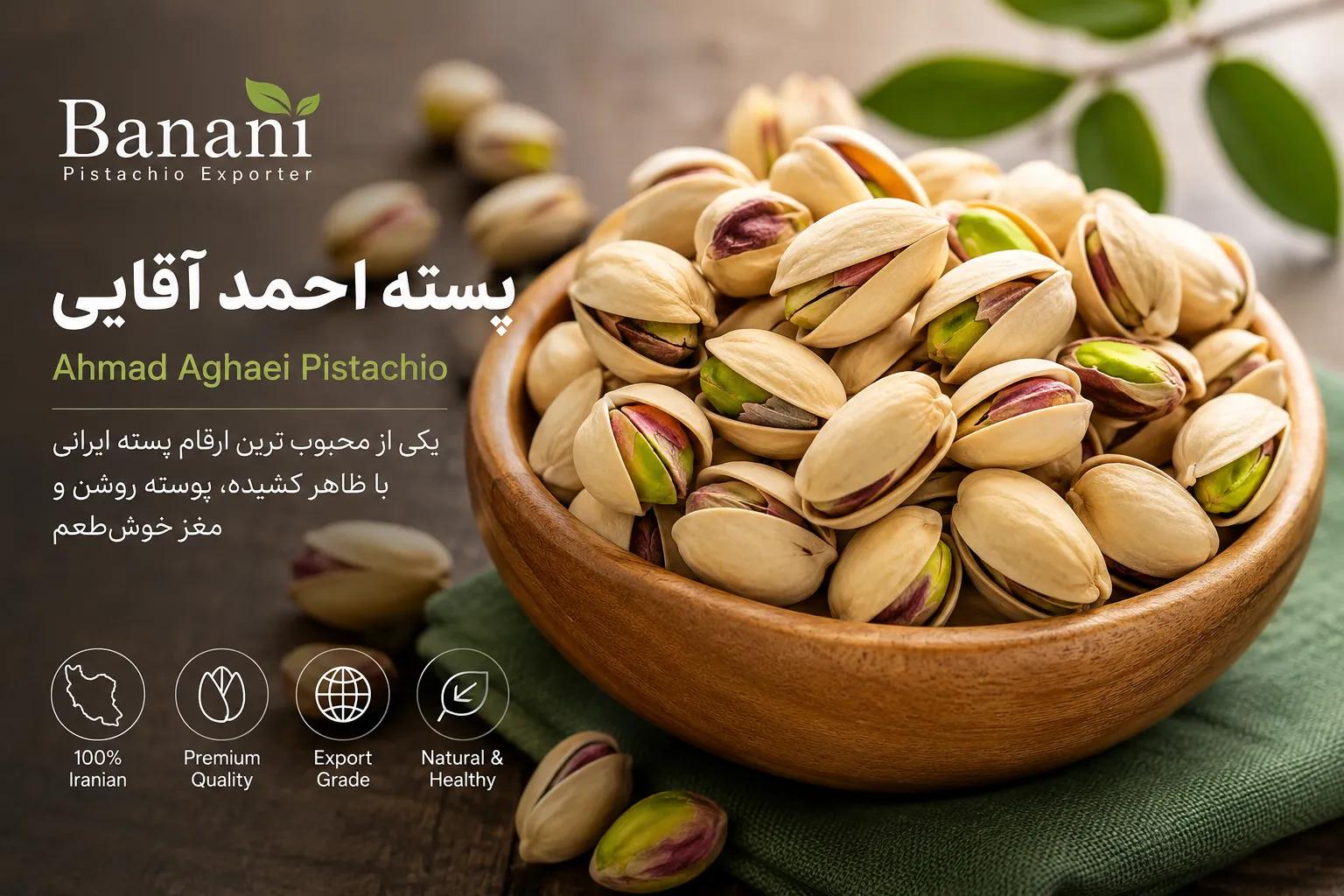
Ahmad Aghaei Pistachio: A Complete Guide to One of Iran's Most Popular Export Pistachios
Iran is recognized as one of the world's leading producers of premium pistachios, offering several unique varieties that are highly valued in both domestic and international markets. Among these, Ahmad Aghaei Pistachio stands out as one of the most popular export varieties thanks to its elegant appearance, bright shell, elongated shape, and excellent kernel quality.
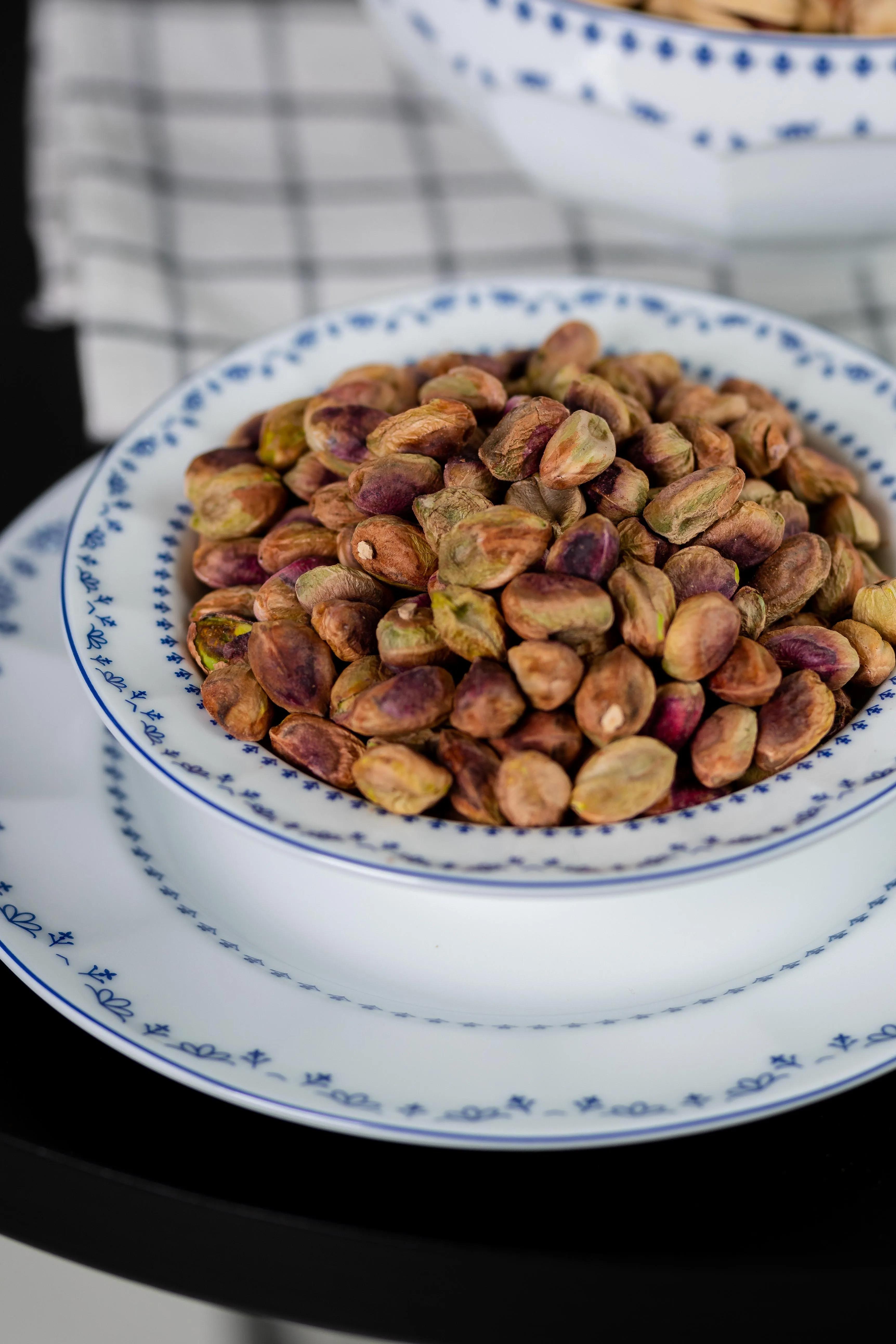
What Is a Flowered Pistachio Kernel? 7 Uses and a Wholesale Buying Guide
Iranian pistachio kernels are supplied in different forms according to their color, size, skin condition, percentage of whole kernels, level of breakage and intended application. One of the commercial terms used in the Iranian pistachio market is flowered pistachio kernel. This product is valued for its attractive combination of a green interior and a naturally reddish-purple outer skin, which can create a flower-like appearance.
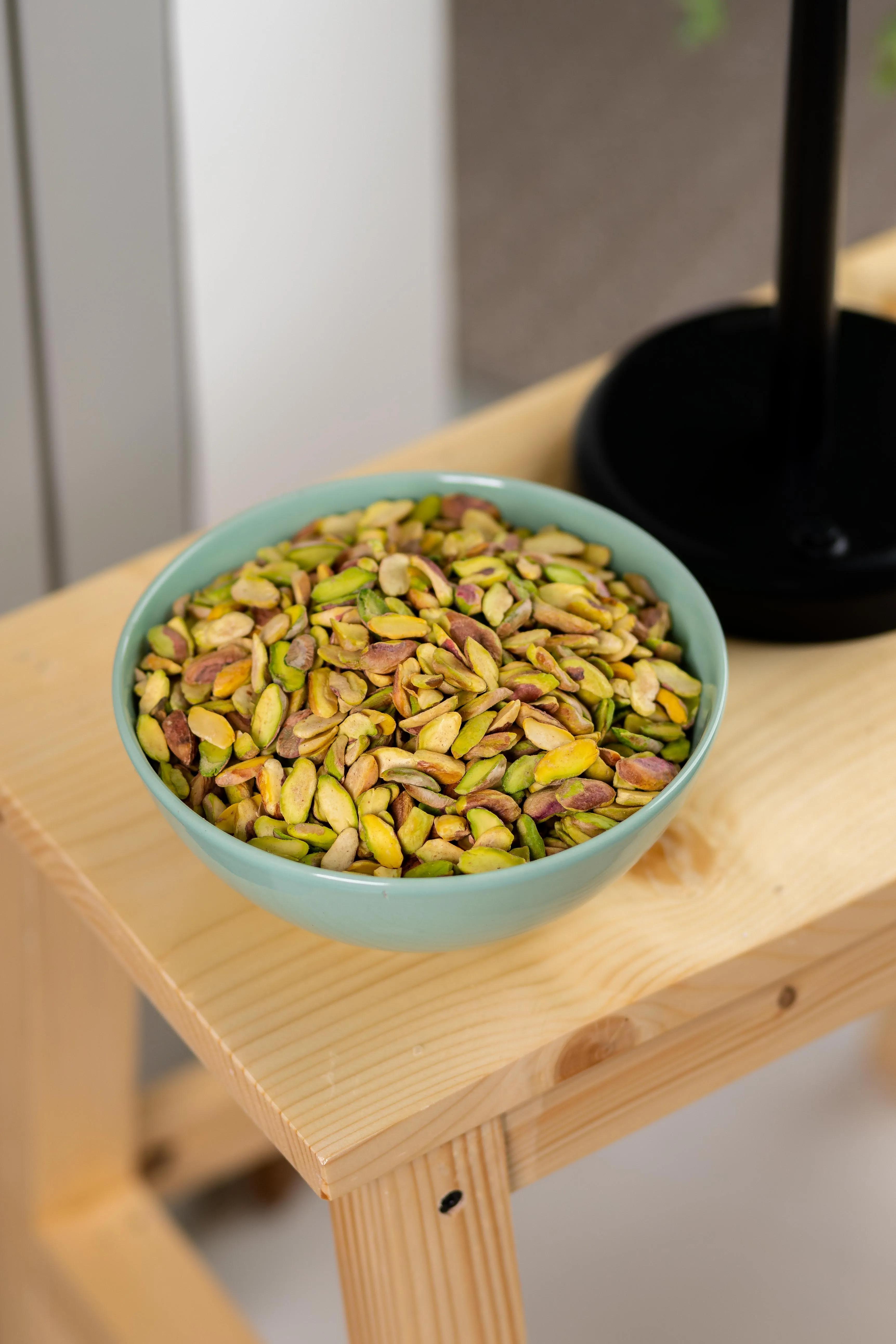
What Is a Split Pistachio Kernel? 7 Uses and a Wholesale Buying Guide
Iranian pistachio kernels are supplied in different grades according to their shape, color, size, percentage of whole kernels, breakage level and intended use. Some buyers need whole kernels for premium snack packaging and decorative applications. However, confectionery manufacturers, ice cream producers and food-processing companies often prefer a more economical kernel that is already divided into usable pieces. One of the most practical products for these applications is the split pistachio kernel, also known as a pistachio kernel half. A split pistachio kernel is generally divided into two relatively large halves. This for
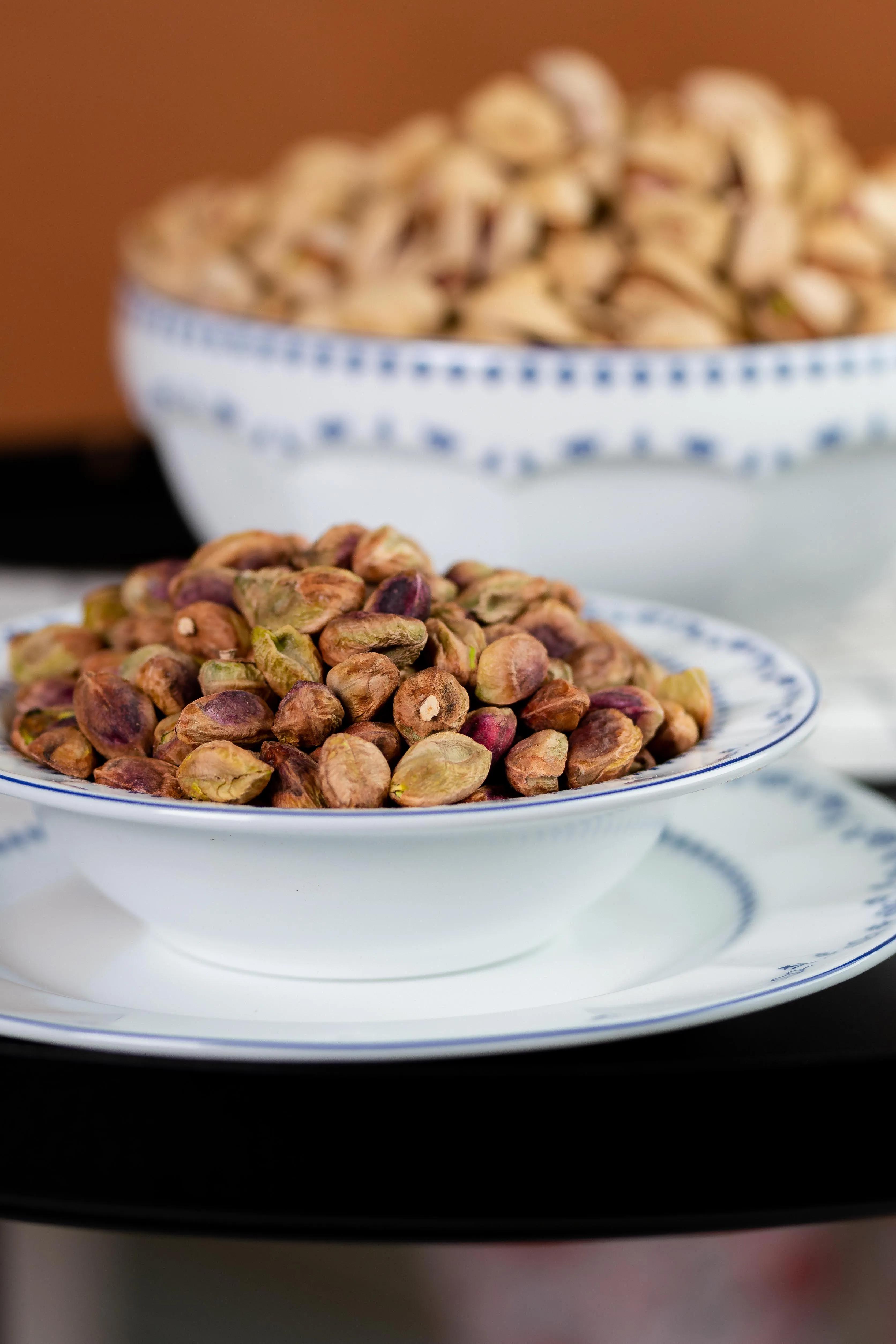
What Is a Processing-Grade Pistachio Kernel? 7 Uses and a Wholesale Buying Guide
Pistachio kernels are not supplied only as whole, uniform and visually premium pieces. A large share of pistachio-kernel demand comes from manufacturers that grind, chop, blend or incorporate the kernels into ice cream, chocolate, pastries, spreads and other food products.
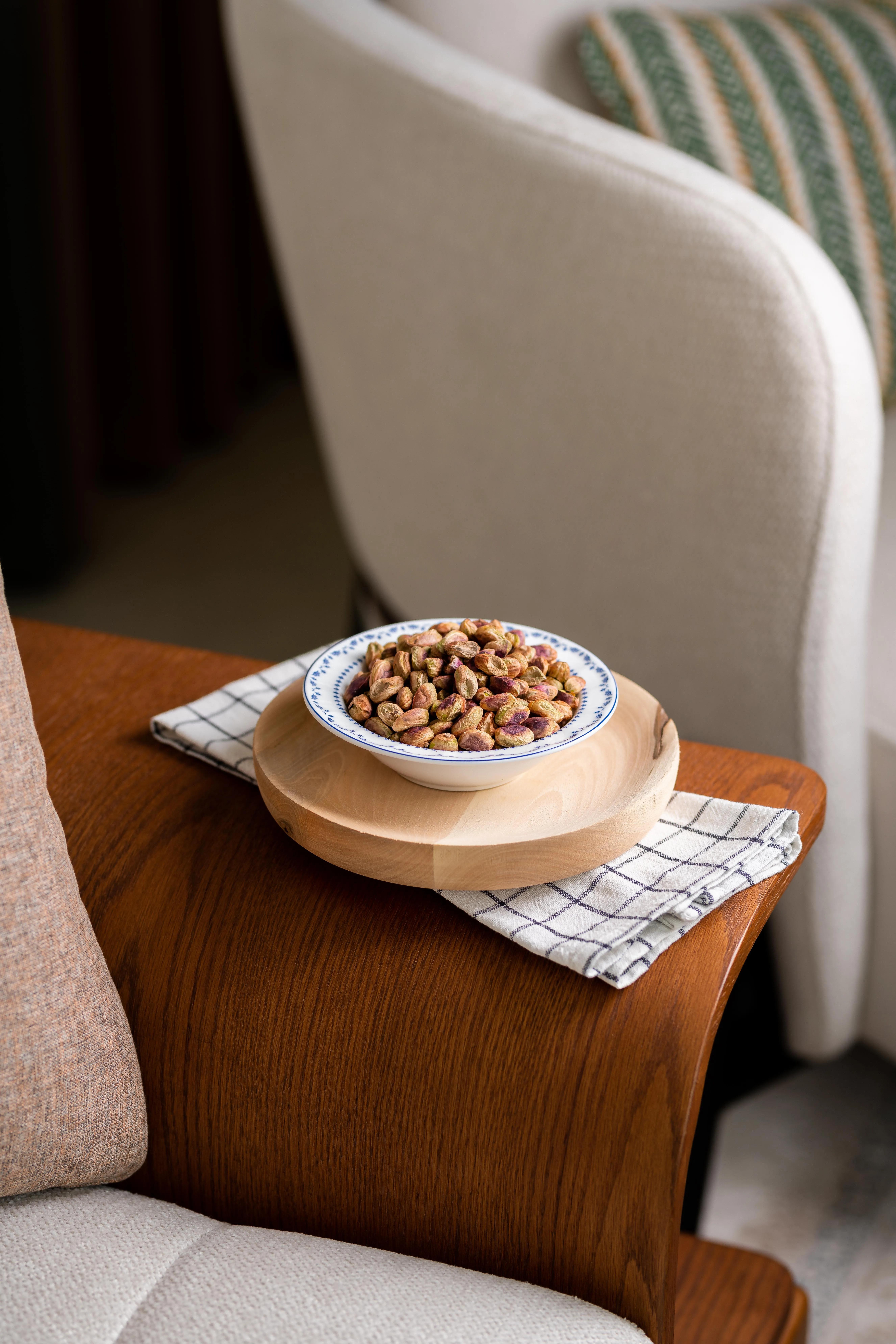
What Is a Green Pistachio Kernel? 7 Uses and a Wholesale Buying Guide
Iranian pistachio kernels are supplied in different grades according to harvest time, color, size, skin condition, percentage of whole kernels and intended application. One of the most valuable categories for confectionery and food manufacturing is the green pistachio kernel.

Akbari vs Ahmad Aghaei Pistachios: Which Is Better for Buying and Export?
Akbari and Ahmad Aghaei are two of the best-known Iranian pistachio varieties. Their elongated shape, appealing kernel color, and strong presence in domestic and international markets make both varieties popular among retailers, wholesalers, and pistachio importers.

Jumbo vs Badami Pistachios: What Is the Difference?
Jumbo and Badami are two well-known varieties of Iranian pistachios. Although both are suitable for direct consumption, wholesale supply and international trade, they differ significantly in shape, size, ounce count, appearance and common market applications.

Bulk Raw Iranian Pistachios for Wholesale and Export
Buying pistachios in bulk involves more than comparing the price per kilogram. Variety, size, ounce count, shell opening, uniformity, kernel quality and intended use can all affect the suitability and commercial value of a shipment.

Pistachio Ounce Count: Calculation Method and Size Chart
Terms such as 20/22, 24/26 and 28/30 are commonly used when Iranian pistachios are traded in bulk. These numbers describe the approximate size of the nuts and help buyers compare products before placing an order.

Split vs. Flowered Pistachio Kernels: What Is the Difference?
When buying pistachio kernels for confectionery, ice cream, chocolate, nut packaging or food manufacturing, two commercial forms you may encounter are split pistachio kernels and flowered pistachio kernels.

Pistachios and Fatty Liver: Are Pistachios Good for Fatty Liver Disease?
Fatty liver disease is a common metabolic condition frequently associated with excess body weight, insulin resistance, high blood lipids, physical inactivity and an unhealthy diet. Because pistachios contain both fat and calories, people with fatty liver disease may wonder whether they should include or avoid them.

How to Make Pistachio Slivers: Step-by-Step Guide and 5 Practical Uses
Pistachio slivers are widely used to add natural colour, flavour and texture to rice dishes, desserts, cakes and traditional sweets. Their delicate shape and green colour can instantly improve the presentation of both homemade and professional recipes.

Pistachios and Thyroid Health: Are Pistachios Good for Hypothyroidism or Hyperthyroidism?
The thyroid is a small gland located at the front of the neck. Its hormones help regulate metabolism, body temperature, heart rate, energy levels and many other important functions.

What Are the Side Effects of Pistachios? 5 Risks of Eating Too Many
Pistachios are nutritious nuts that provide plant protein, fibre, unsaturated fats, potassium, copper, vitamin B6 and antioxidant compounds. However, the nutritional value of a food does not mean that it can be eaten without considering portion size.

Why Do Pistachios Get Worms? 7 Causes and Ways to Prevent Infestation
Finding larvae, fine webbing, small insects or unusual powder inside a container of pistachios is unpleasant. This usually occurs when insect eggs or larvae enter the product in the orchard, during processing, at a shop or in the storage environment.

Natural Open vs Mechanically Opened Pistachios: Differences and Buying Guide
An open shell is an important feature of in-shell pistachios, but not every open pistachio has split in the same way. Some pistachios open naturally as the kernel develops, while others remain closed and are opened during processing after harvest.
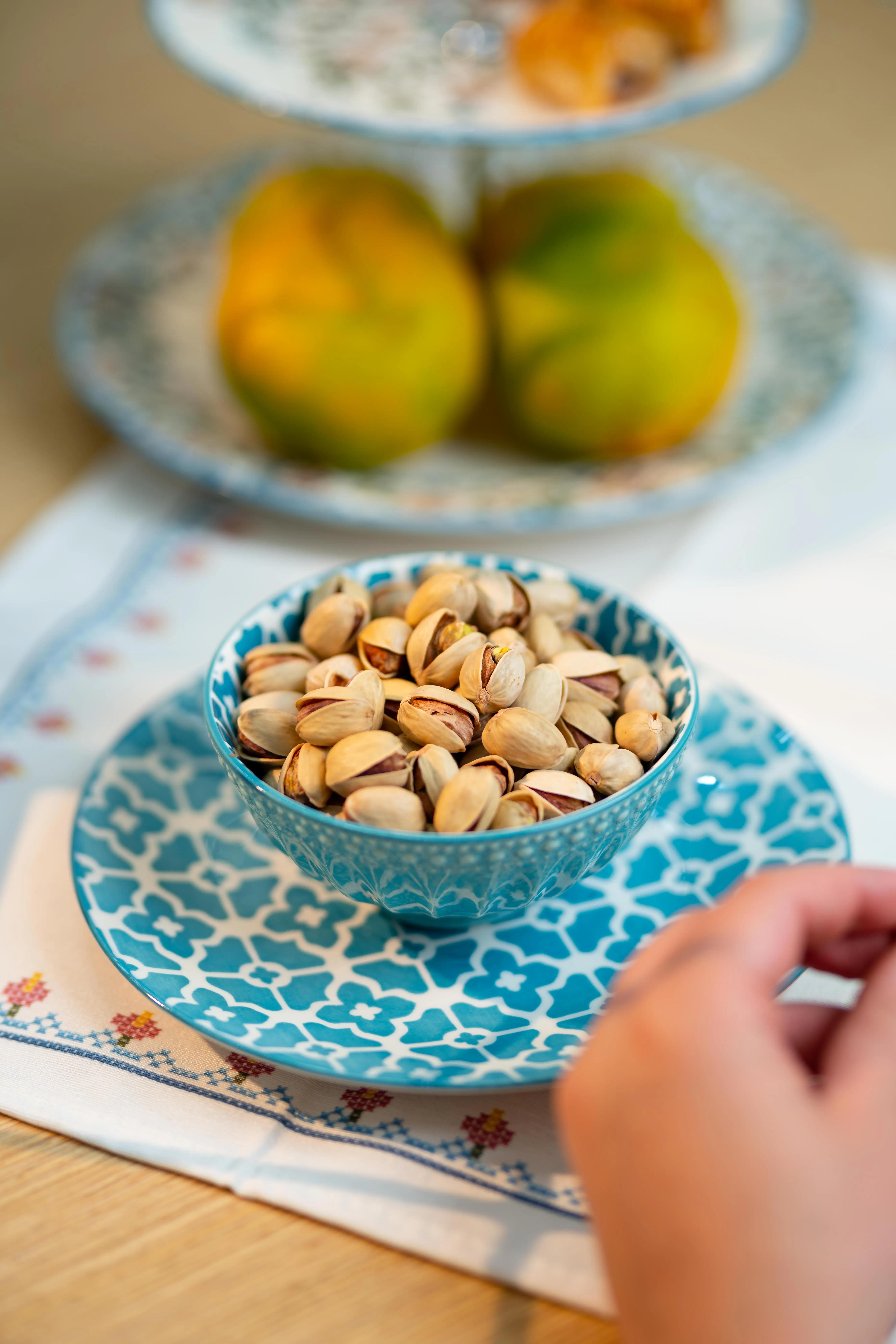
How to Tell Fresh Pistachios from Stale Pistachios
You cannot reliably distinguish fresh pistachios from stale ones by looking only at shell colour or checking a single nut. Pistachios may look acceptable but have lost their aroma and flavour because of long or unsuitable storage. Their natural oils may also have oxidised and developed an unpleasant rancid taste.

What Are the Best Iranian Pistachios for Export?
The best pistachio for export is not necessarily the largest, most expensive or best-known variety. The correct product must match the buyer’s intended use, target market, budget, contract specifications and applicable import requirements.

Aflatoxin in Pistachios: Testing, Control and Export Requirements
Aflatoxin is one of the most important food-safety risks in the pistachio trade. It is not a chemical additive. It is a group of naturally occurring toxins that certain moulds, particularly some Aspergillus species, can produce under suitable conditions.

Export Pistachio Packaging: Types, Requirements and Selection Guide
Export pistachio packaging is more than an outer covering for the product. The right packaging should help protect pistachios from moisture, contamination, foreign odors, physical damage and other conditions that may reduce quality during storage and transportation.

Pistachio Applications in the Food Industry: From Confectionery to Ice Cream
Pistachio applications in the food industry extend far beyond decorating pastries and ice cream. Pistachios can be used as whole kernels, halves, slivers, granules, powder or paste in confectionery, chocolate, ice cream, bakery products, desserts, spreads and prepared foods.